


A talk I recorded on camera. Video above. Below is the transcript, lightly cleaned — my words, not a rewrite.
Chapters
00:00 — The only thing AI is for in go-to-market
01:03 — Structure and connect all your internal data
02:10 — Find the public signal that predicts a closed-won
03:13 — The go-to-market no competitor can copy
04:18 — Attack the truth from multiple angles
05:20 — Thin messages come from thin context
06:21 — Information is useless without action
07:23 — Understand better, act better — that's the ballgame
08:24 — July 22, San Francisco (Gradient Ventures)
You like how I just went on camera and said, fuck it, I'm not going to do anything with my hair. Today I want to talk about the only thing that AI should be used for in go-to-market. I feel pretty strongly about this. It causes us to look back at fundamentals — what matters to us — and it lets us frame the value in a different way.
There are two fundamental values of AI. The first is to understand ground truth — what is actually happening with your customers. Forget the market for a second. And there's a hierarchy to that truth. There's what your team knows — least valuable. What the customer said — second least valuable. And most valuable: what the customer did. What are they actually doing in your app? This is a progression closest to dollars, closest to truth.

When people vote with their wallet. (I was trying to find my wallet — but I don't have it. I'm in a post-money world.)
So the very first thing you do with AI is go structure and connect all your internal data. Use Claude Code, Codex, whatever, to do it. I create things called customer dossiers. If you're a yearly subscriber to On the Edge, you get access to Edge Copilot, which has this skill built in — you can just say, help me with this. This is the most important piece: making sure your data is right, validating it, connecting it, and putting it all on a timeline. The timeline is really important. Where did the customer come from? What did they say on all the calls they've ever had? When did they become a customer? What did they do? What do the CS calls look like? You have that, and you can just ask questions. You don't have to guess — "well, in the market, here's my ICP." You can literally use a statistician — a Claude Code statistician — and say: go look at the public market and benchmark it against my internal data.
Look at closed-won and closed-lost deals — everything they ever said, everything they ever did — and then go online and see if you can find a statistically defensible piece of information that lets me identify what a closed-lost or a closed-won non-customer looks like in the public.
Then you say: great, now reveal all the truth. Do one session to put all this stuff together. Then say, hey Claude, go put these in cohorts. Clear the session and say: I want you to look at these two cohorts now and figure out why they might be right for my product. Then merge them together — don't tell Claude which is which. And you should probably be using Parallel.ai or Exa.ai as your search agent. Do not use the built-in Claude search agent. You do that, and Claude comes back and says, well, this is the thing that held up. And by the way, you can embed intelligence from the calls and their actions —
look at how they do payments online, or look at whether they lost a big client, or whatever. The raw intelligence from the first call — ideally the first call, maybe other calls. Then you understand what no competitor can. Where are your customers, and which customers are voting with their wallet?
Once you do that, you know how to build your TAM. You know how to structure it based on why people actually choose you. And this is defensible — because your competitors are going after your TAM too. But if you know why you close customers, and the public data that indicates why they're good fits, suddenly you know where you should be targeting and what to say. Because you have a strong understanding of the people who actually voted with their wallet — who, on statistical analysis, don't hold up against the closed-lost set. That's your full go-to-market. That's it.
So the very first thing you do: put all your customer actions and voices on a single timeline. Then ask Claude to run some tests as several sub-agents against closed-won and closed-lost. Blend the two. Remix it a couple of ways so Claude can say, okay — looking at it from these four lenses. One lens: only look at closed-won and closed-lost in separate agents. Another: blend them. Another: sort this by topic and go investigate those topics. If you have Claude attack this from multiple angles, it can say: the thing that has stood up under scrutiny, from multiple angles, is X, Y, or Z. Then you know what you're looking for.
This is what AI is good for. Understanding ground truth — what customers said and what customers did. We don't do that today. And then matching that ground truth to market data — structuring whole worlds of data by meaningful dimensions, which is actually why your customers vote with their wallet.
This is what "what the customer said" actually sounds like. Real calls from customers of companies I work with — every name, company, and identifying detail stripped out. The words are theirs.
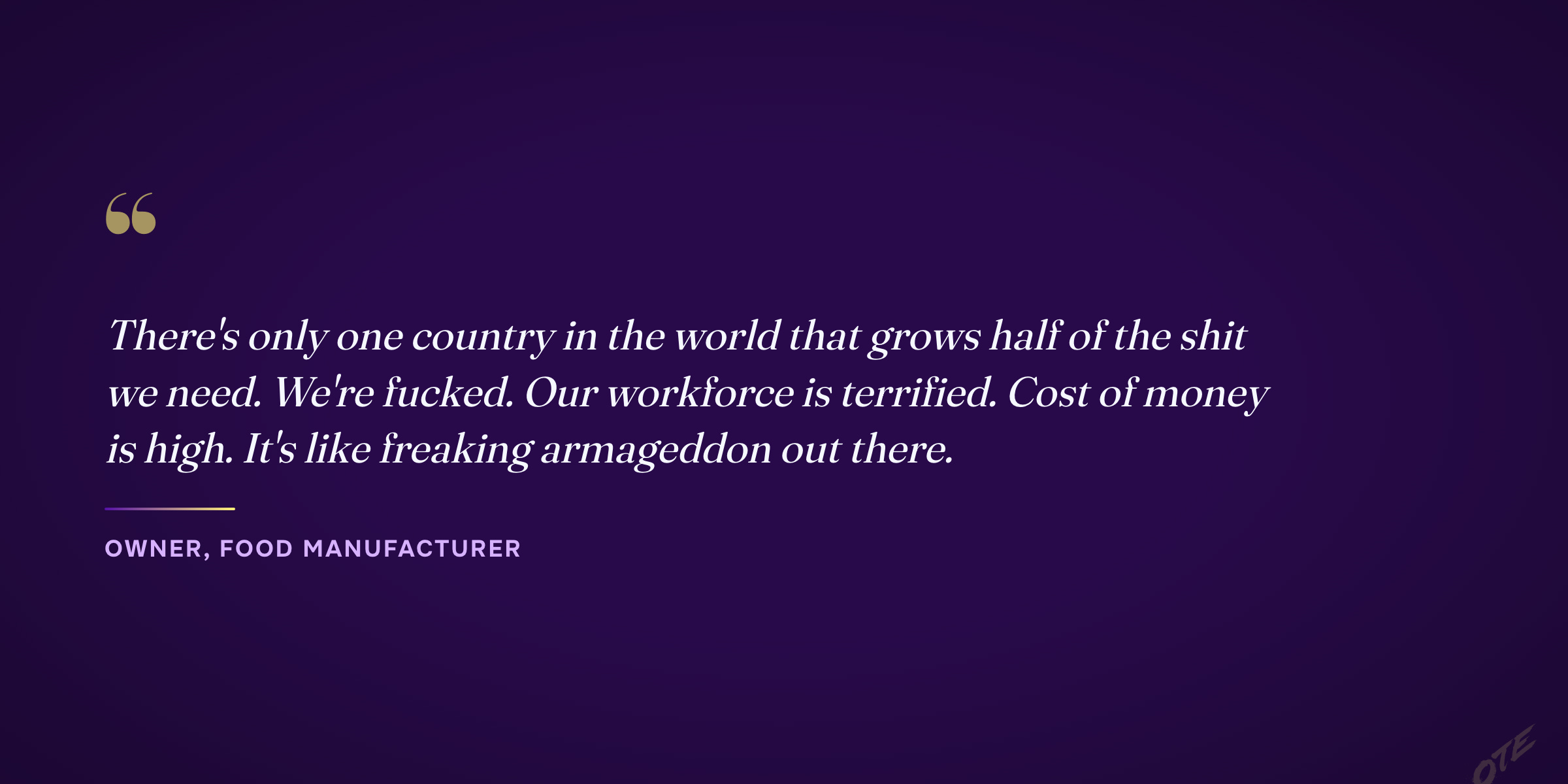
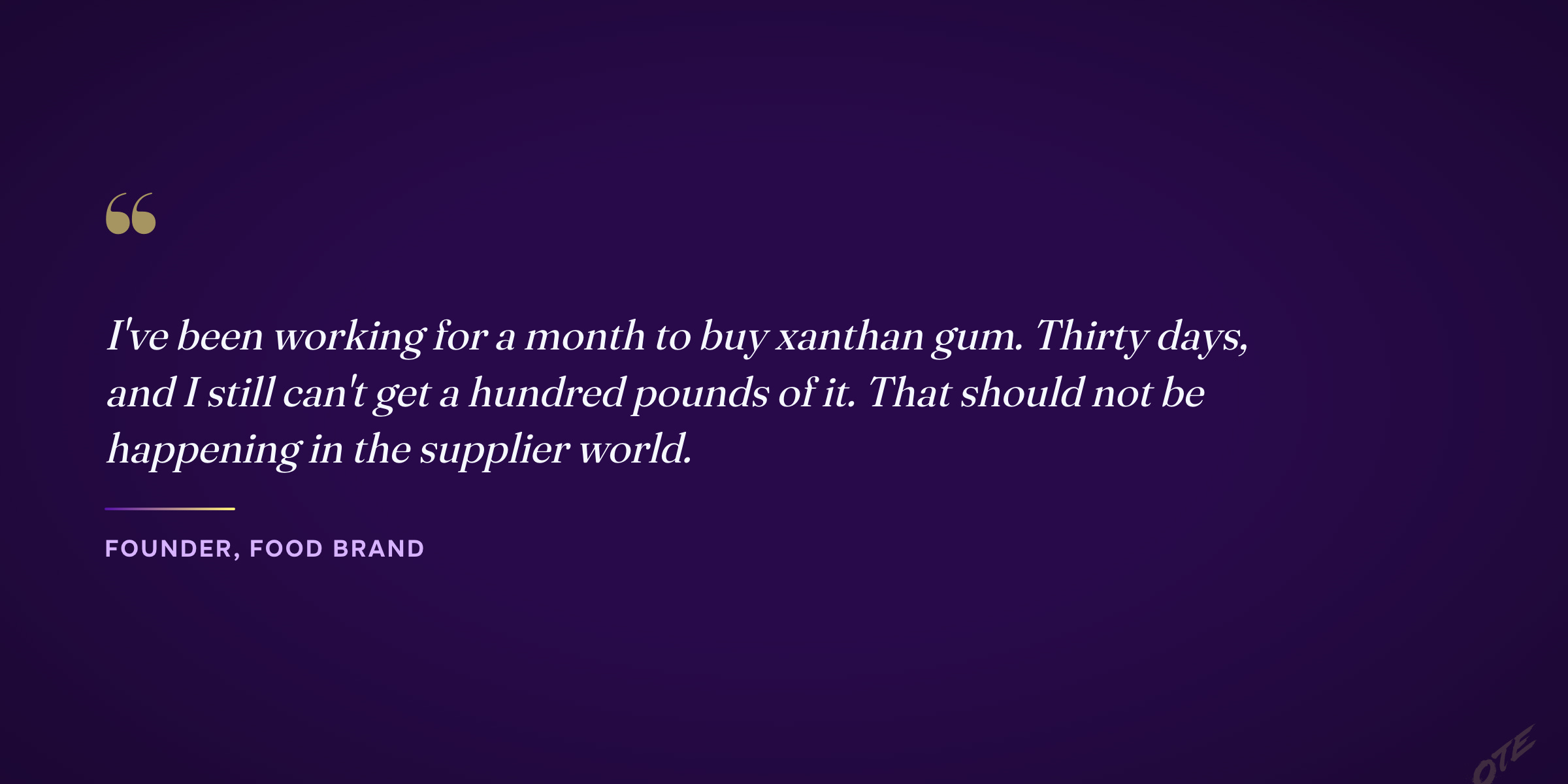
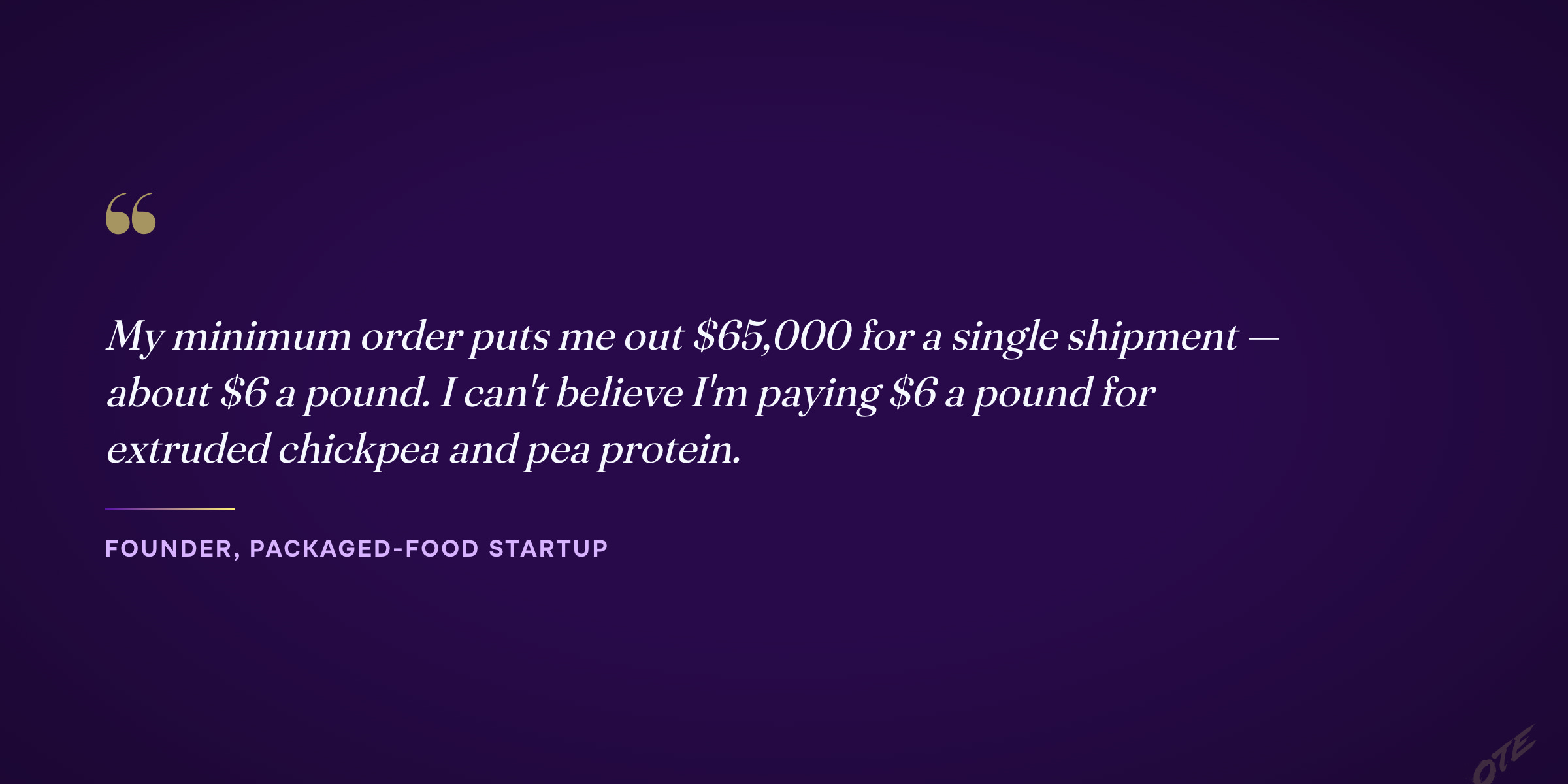
All this stuff we're doing to point AI at the market — the reason the messages are so thin, the reason you wouldn't reply to the messages your reps are sending — is that you can't come to any one of those prospect interactions and give the prospect more valuable information than someone from the market who doesn't have all your intelligence. And if that's the case — if your targeting, your messaging, the way you go about your market doesn't involve any information from your actual customers — why bother?
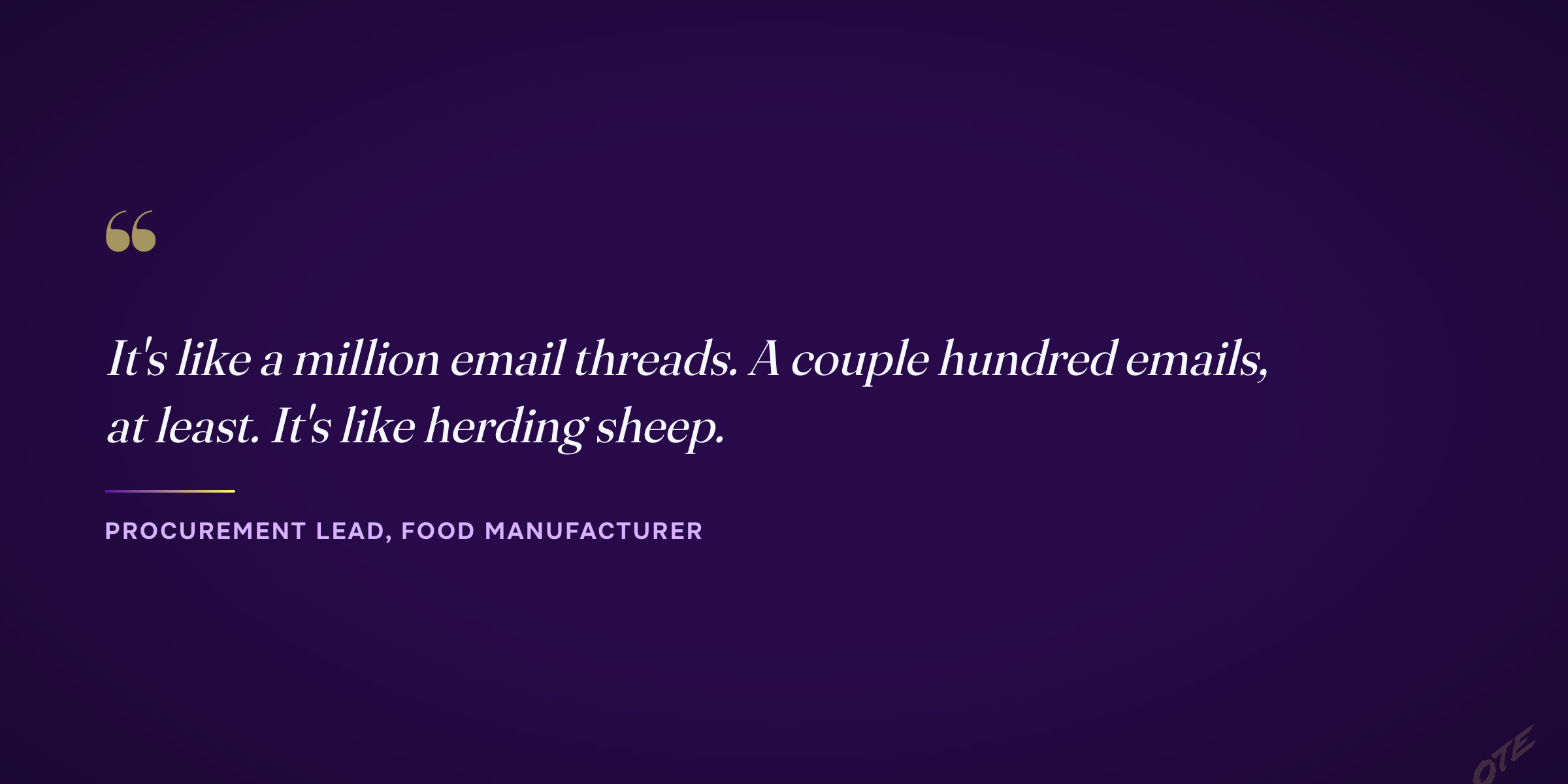
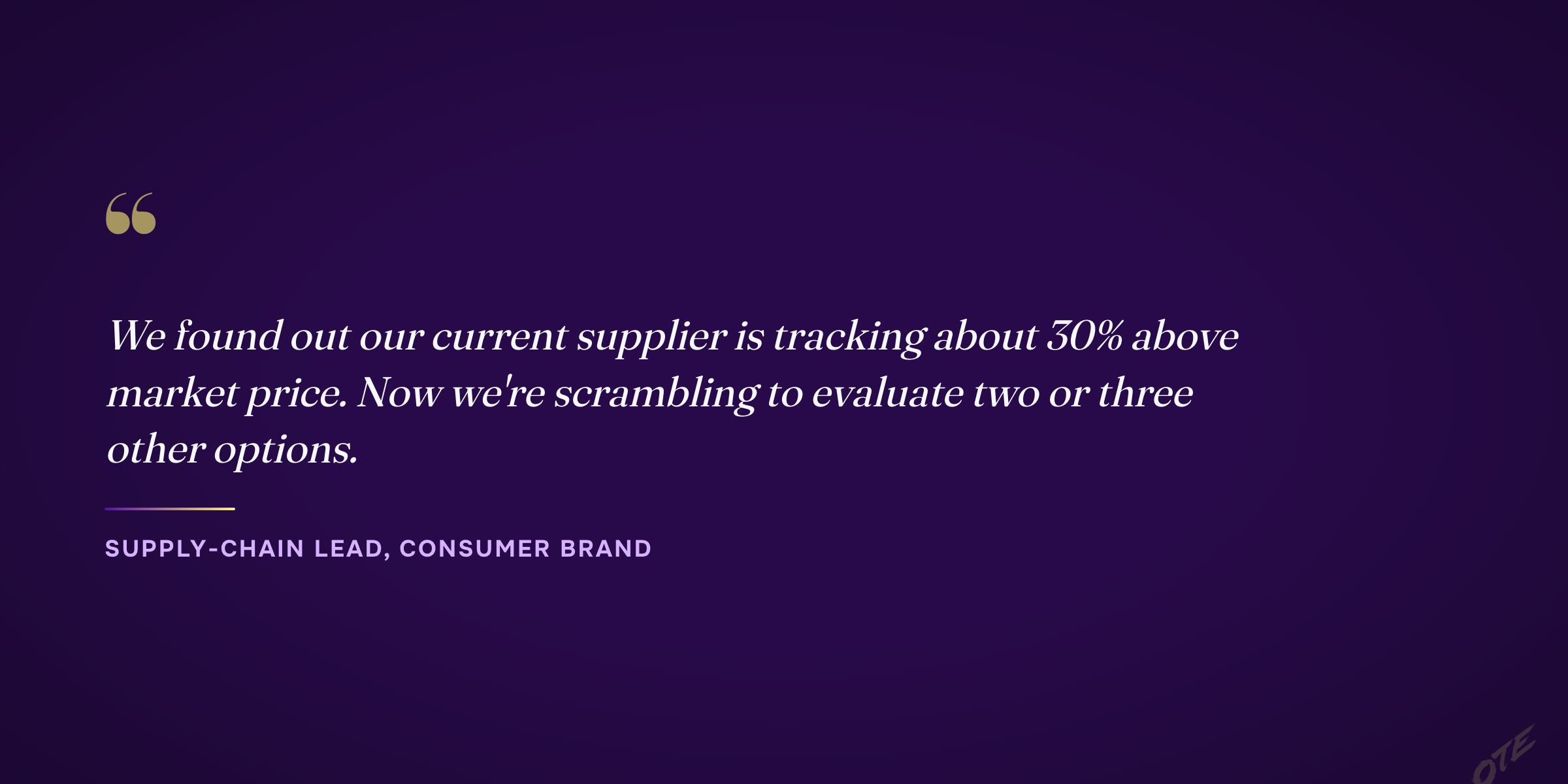
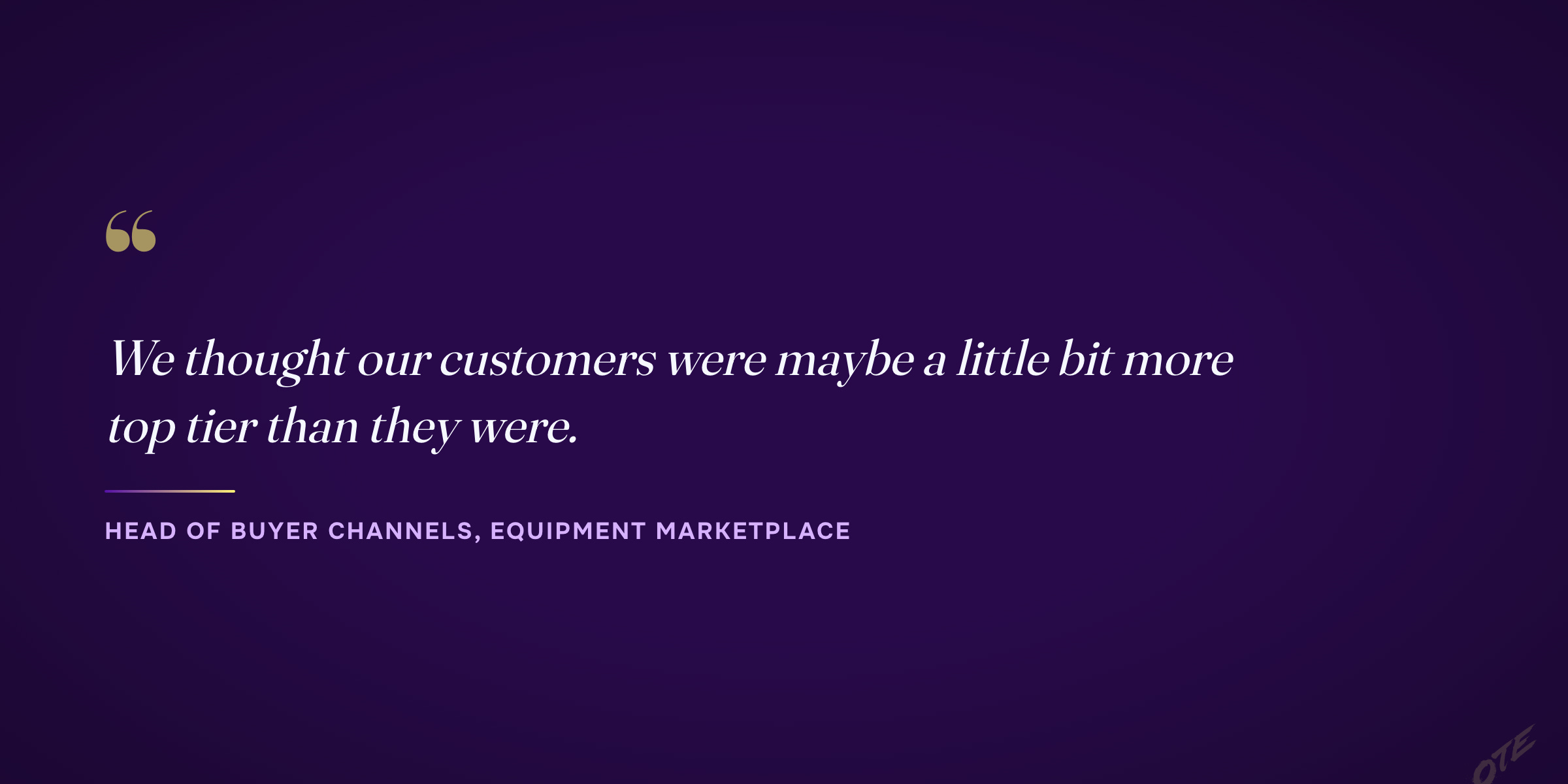
You cannot point AI at something with thin information. That's why you need to build up your layer cake of context. First, make sure the ground truth is good, the data is good. Then compile it. Then go test it. Then go validate it. And suddenly everything multiplies. Once that's the case, everyone works in a shared repo to build on top of — you have a foundation to do your go-to-market. The next person gets compound value. They can talk to all the context in your whole system. They don't have to worry about data quality. They don't have to worry about whether it's put together the right way. They don't have to worry about whether the analysis is done right — because it's been battle-tested.

The last thing I'll say: people love to think about AI as gathering information. But information is useless. Information is useless without action. If you know something and you aren't prepared to act on it, it doesn't impact anything. The purpose of good information is to drive better action, at a faster clip — to evaluate whether that action made an impact, and to improve fast. Once you've gathered all the information you can, you can't stop your AI go-to-market efforts there. You have to work backwards from: if I'm going to test this churn hypothesis, if I'm going to test this top-of-funnel hypothesis, if I'm going to test this upsell motion, if I'm going to test this churn reduction — how do I test it quickly and get feedback quickly, and iterate? That's the whole ballgame.
If you don't begin with the customer, if you don't begin with their insight, if you don't begin with things that are actually ground-true — that people voted with their wallet for — then why are you using AI in the first place? Just go do the same bad thing you've been doing for decades. The purpose of AI is to better understand, to better act, and to validate that those actions actually matter. That's it. Go do that, in that order, and you'll be surprised at the results you find. If you can better understand and better act — if you do those two things, as a go-to-market leader — that's the ballgame.
I'm going to be building on stage on the 22nd — July 22nd, here in San Francisco, 2 to 6:30pm at Gradient Ventures in downtown San Francisco. Come join me. We're going to pick a founder from the crowd, and I'm going to show you how quick and fast and wonderful and easy this is — and how the only weapon you need is a good framework, your voice, and access to a $200-a-month subscription. That's everything.
Thanks so much for watching. I've heard beautiful, wonderful, kind comments from my yearly subscribers, from my monthly subscribers, and just from people on the internet. I'm so grateful that you spend your time and attention here, watching and learning. I want to congratulate you for being on the edge — for educating yourself about the very latest tools and technologies in the go-to-market engineering space. There aren't many people like you. So thanks. Bye.
— Written by Claude Opus 4.8, Approved by Jordan
What Annual Adds
This one was free. Paid gets the build. Annual gives you the tools that run it.
Every tool I ship. Edge Copilot installs to your Claude Code — talk to all my knowledge, every method, every data source. Current: Edge Copilot, AutoClaygent, Agent 7, Who to Target and What to Say, Blueprint Cloud, Technology Finder, Video List Extractor, Competitor Monitor, LinkedIn Engagement, Domain & LinkedIn Finder, Dossier Builder, PDF Contact Finder, TAM Contact Harvester, Find a Rep, Blueprint Playbook. Whatever ships next is included.
All 3 courses: Who to Target and What to Say, Agent 7, AutoClaygent.
Weekly office hours.
Run /edge install dossier-builder once your license key arrives — the customer-dossier skill I mention in this video drops into your Claude Code in one command.
License key hits your email.
→ Go annual — $2,499/yr · Start at $50/mo (most readers start here)

